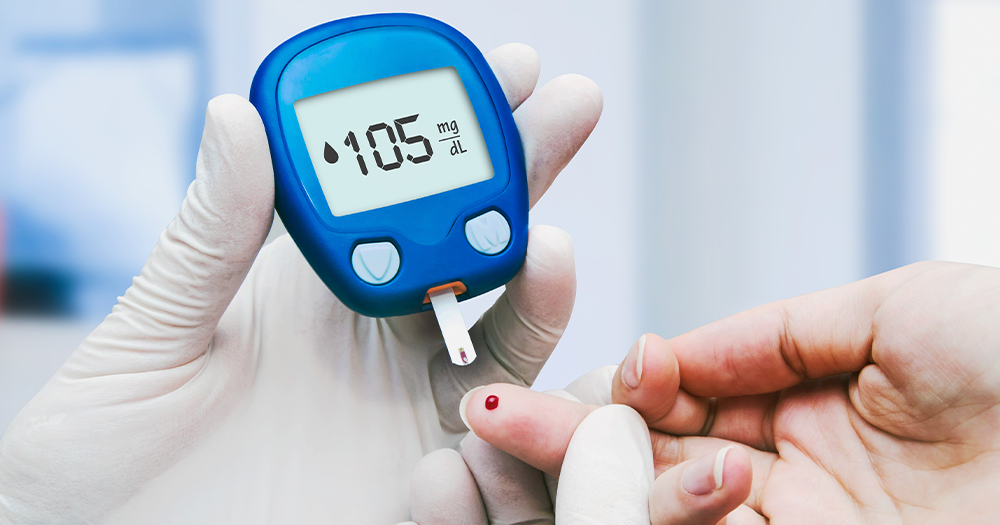

While performing a lipid profile test, fasting was an essential requirement, observed for past few decades. Patients were advised to avoid food 8-12 hours before the test because it was believed that having food significantly alters blood lipid levels. This was also believed to be affecting important measurements including LDL (low-density lipoprotein – bad cholesterol) and HDL (high-density lipoprotein – good cholesterol).
But emerging evidences shows that this traditional requirement may no longer be necessary for most patients, and non-fasting lipid testing is rapidly becoming the new standard in cardiovascular risk assessment. This is a major milestone in diagnostic testing and plays a key role in preventive healthcare.
What the Science Really Says
Large population studies have shown that eating has only a modest impact on lipid levels. Triglycerides may rise slightly after meals, and LDL cholesterol can dip by about 10%, but total cholesterol and HDL levels remain fairly stable.
Moreover, non-fasting lipid levels have been found to predict cardiovascular events such as heart attack and stroke similar to the fasting levels. One reason is that non-fasting measurements capture remnant lipoproteins, particles that contribute to plaque buildup and aren’t reflected in fasting tests. These remnants are part of what’s measured in non-HDL cholesterol, a valuable marker of heart disease risk.
Guidelines from leading cardiovascular societies in Canada now recommend non-fasting lipid panels for both initial screening and follow-up monitoring. This represents a fundamental shift from the conventional fasting lipid tests.
Practical Benefits of Non-Fasting Testing
For patients and clinics alike, non-fasting lipid testing is a game-changer. Key-Benefits include
- Convenience: Patients can have blood drawn any time of day without fasting for long hours or skipping meals.
- Better compliance: People are more likely to complete recommended screenings when fasting isn’t required.
- Safety: Fasting can be risky for certain groups, especially people with diabetes or other health issues.
Non-fasting tests also support real-world physiology as most of our lives are spent in a fed state, not fasting. Therefore, non-fasting lipid levels may better reflect typical daily fluctuations and long-term risk.
How LDL and HDL are affected?
Although eating can influence triglycerides more than other lipids, the levels of LDL and HDL cholesterol are relatively stable in the non-fasting state. Research shows that HDL doesn’t vary significantly after meals, and LDL changes are usually modest and clinically insignificant in routine screening.
Importantly, non-HDL cholesterol which includes LDL and other harmful lipoproteins may actually be a superior predictor of cardiovascular risk. This is especially relevant for preventive healthcare centers where non-fasting testing is part of routine practice. By focusing on non-HDL values alongside LDL and HDL, NURA delivers a comprehensive risk assessment that’s both scientifically sound and patient-friendly.
When Fasting become necessary?
Fasting isn’t obsolete. In certain situations, were very high triglycerides (e.g., >4.5–5 mmol/L) is obtained, or specialized diagnostic cases, clinicians may still request fasting samples to rule out specific disorders.
We are transitioning from a fasting-centric model to a more practical and evidence-based approach. Non-fasting lipid testing, particularly for LDL and HDL, is gaining acceptance worldwide because it simplifies testing, improves patient experience, and maintains clinical accuracy. At NURA, this represents a forward-thinking practice that aligns with modern guidelines and patient comfort.